Understanding Humidity's Role in Home Comfort
Humidity refers to the amount of water vapor present in the air inside a home. While temperature often receives primary attention in climate control, humidity levels profoundly influence how spaces feel and function. Maintaining balanced humidity, typically between 30 and 50 percent, ensures environments remain comfortable without excessive reliance on heating or cooling systems.
Excessive humidity can make warm air feel stifling, while low levels lead to dry, irritating conditions. These imbalances affect not only personal comfort but also the overall efficiency of living spaces. Addressing humidity directly allows homeowners to create more stable and pleasant interiors year-round.
The Limitations of Temperature-Only Control
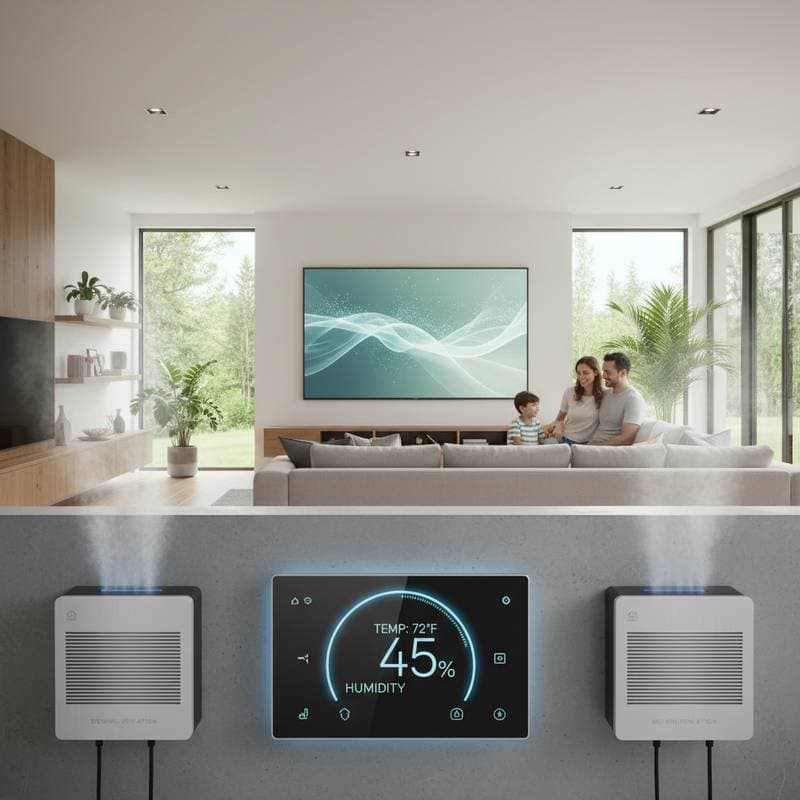
Focusing solely on temperature overlooks critical aspects of indoor climate. For instance, a room set to 72 degrees Fahrenheit might still feel uncomfortable if humidity exceeds 60 percent, as moist air retains heat and promotes a sticky sensation. Conversely, in dry conditions below 30 percent humidity, the same temperature can cause chapped skin and respiratory discomfort.
Temperature adjustments alone demand more energy to counteract these effects, leading to higher utility bills. Systems that regulate only heat and cool often cycle inefficiently in humid climates, straining equipment and increasing wear. Integrating humidity control resolves these issues, providing a more holistic approach to climate management.
Health Benefits of Proper Humidity Levels
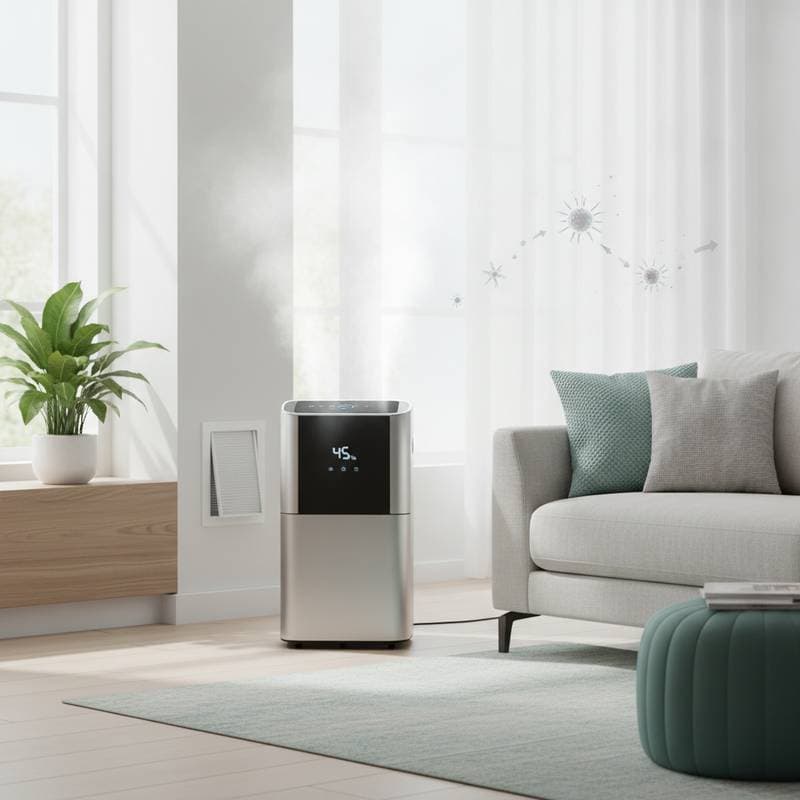
Balanced humidity supports respiratory health by preventing the proliferation of mold, dust mites, and allergens that thrive in moist environments. In homes with high humidity, these contaminants can exacerbate asthma and allergies, leading to frequent illnesses. Dehumidifiers reduce moisture, creating conditions less favorable for such pathogens.
On the drier side, low humidity dries out mucous membranes, making individuals more susceptible to viruses and infections. Humidifiers restore moisture to the air, easing breathing and reducing static electricity that irritates skin. Overall, consistent humidity control fosters a healthier indoor atmosphere, particularly beneficial for families with young children or elderly members.
Protecting Your Home from Humidity Damage
High humidity encourages wood warping, paint peeling, and structural decay in homes. Basements and attics, prone to moisture buildup, suffer most without intervention, potentially leading to costly repairs. Dehumidifiers in these areas extract excess water vapor, preserving building materials and preventing mold growth on walls and ceilings.
Low humidity poses risks too, causing wooden floors and furniture to crack from excessive dryness. Whole-home humidifiers counteract this by evenly distributing moisture, maintaining the integrity of sensitive surfaces. These measures extend the lifespan of home components, avoiding premature replacements and preserving aesthetic appeal.
Enhancing HVAC Efficiency Through Humidity Management
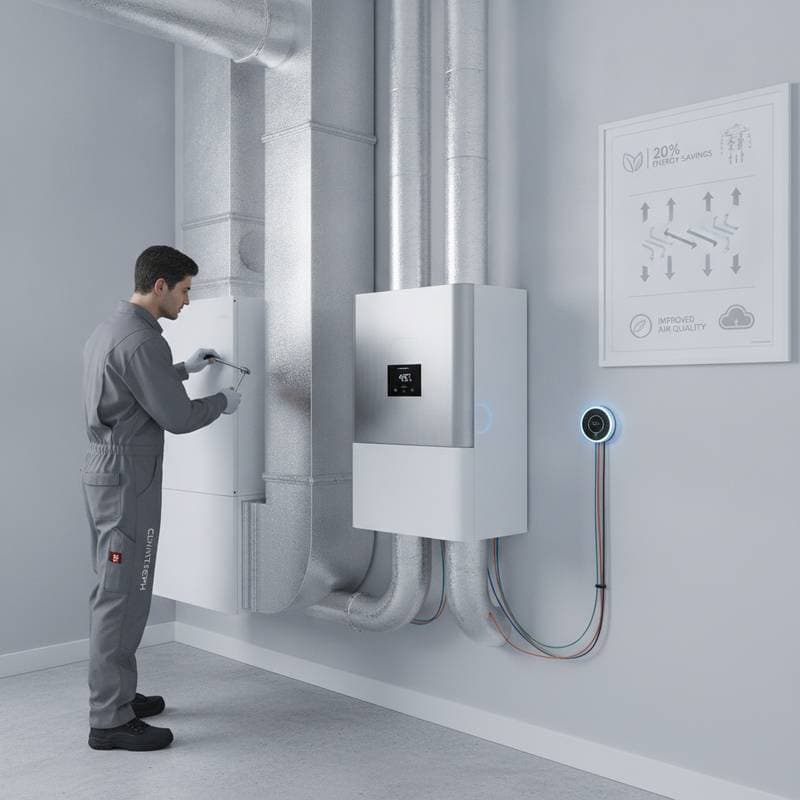
HVAC systems perform optimally when humidity is controlled alongside temperature. In humid summers, air conditioners remove moisture as they cool, but standalone units may not suffice in extreme conditions. Pairing them with dedicated dehumidifiers allows the system to run less frequently, conserving energy and reducing operational costs by up to 20 percent.
During winter, heaters dry out the air, prompting residents to raise temperatures for comfort, which spikes energy use. Humidifiers enable lower thermostat settings while maintaining perceived warmth, as moist air feels cozier at cooler temperatures. This synergy results in smoother system operation and lower long-term expenses.
Choosing the Right Humidity Control Solutions
- Assess your home's needs: Measure current humidity levels with a hygrometer to identify problem areas, such as bathrooms or crawl spaces.
- Select appropriate devices: For whole-home coverage, integrate furnace-mounted humidifiers or standalone dehumidifiers connected to central systems.
- Consider smart technology: Modern units feature sensors that automatically adjust based on real-time conditions, ensuring precision without manual intervention.
- Evaluate capacity: Choose models rated for your square footage; undersized units work harder and underperform.
- Prioritize energy efficiency: Look for Energy Star-certified options to maximize savings while achieving balanced moisture.
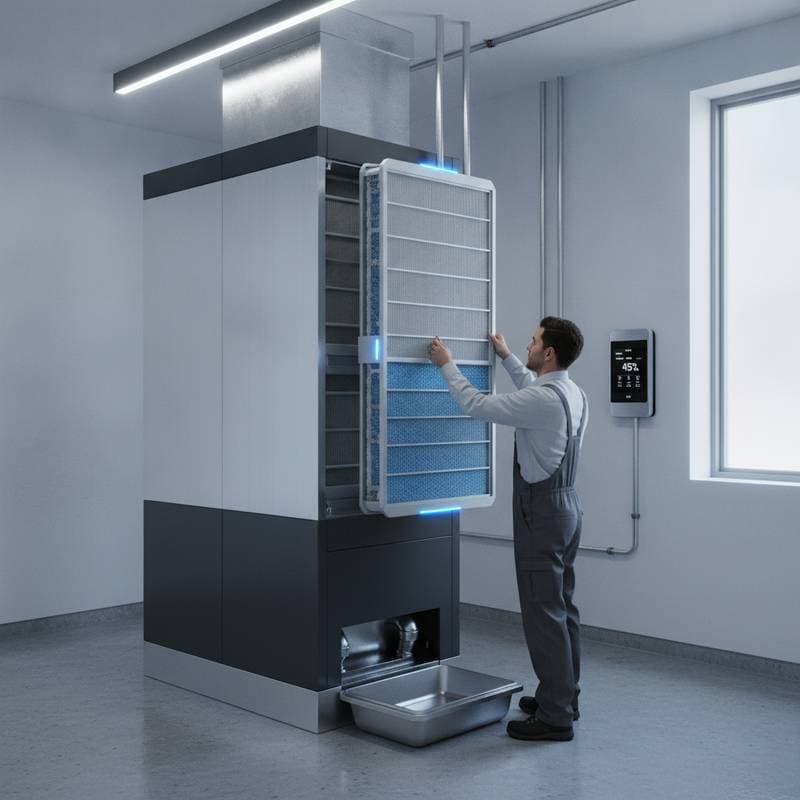
Installing these systems requires professional assessment to integrate seamlessly with existing HVAC setups. Regular maintenance, including filter changes and coil cleaning, keeps equipment running efficiently.
Integrating Humidity Control into Daily Routines
Homeowners can support mechanical systems with simple habits. Ventilation fans in kitchens and bathrooms expel humid air promptly, preventing buildup. Houseplants naturally regulate moisture in small doses, though they require careful monitoring to avoid over-humidifying.
Monitoring devices provide alerts for adjustments, allowing proactive management. Seasonal checks ensure systems adapt to changing weather patterns, maintaining consistency. These practices complement technology, creating a comprehensive strategy for indoor climate control.
Realizing Long-Term Savings and Comfort
Investing in humidity control yields immediate and sustained benefits. Energy bills decrease as systems operate more efficiently, freeing up household budgets. Healthier air reduces medical visits, while protected structures lower maintenance expenses over time.
Residents experience enhanced daily living, with spaces that feel naturally inviting regardless of external conditions. This balanced approach positions homes for optimal performance in 2025 and beyond, delivering value through comfort, durability, and efficiency.