Prevent Mold Growth Through Effective HVAC Humidity Management
Homeowners frequently encounter concealed mold in areas such as behind vents or beneath crawl spaces. This issue often begins subtly, with a mild musty smell or slight discoloration near a vent, but it escalates rapidly in high-humidity conditions. In regions with heavy, damp summer air, an imbalanced HVAC system creates optimal conditions for mold proliferation.
A room that feels clammy despite active air conditioning signals elevated indoor moisture levels. Such environments favor mold development. Fortunately, a well-configured HVAC system serves as a robust barrier against these problems when equipped for comprehensive humidity regulation.
The Role of Humidity Control in Mold Prevention
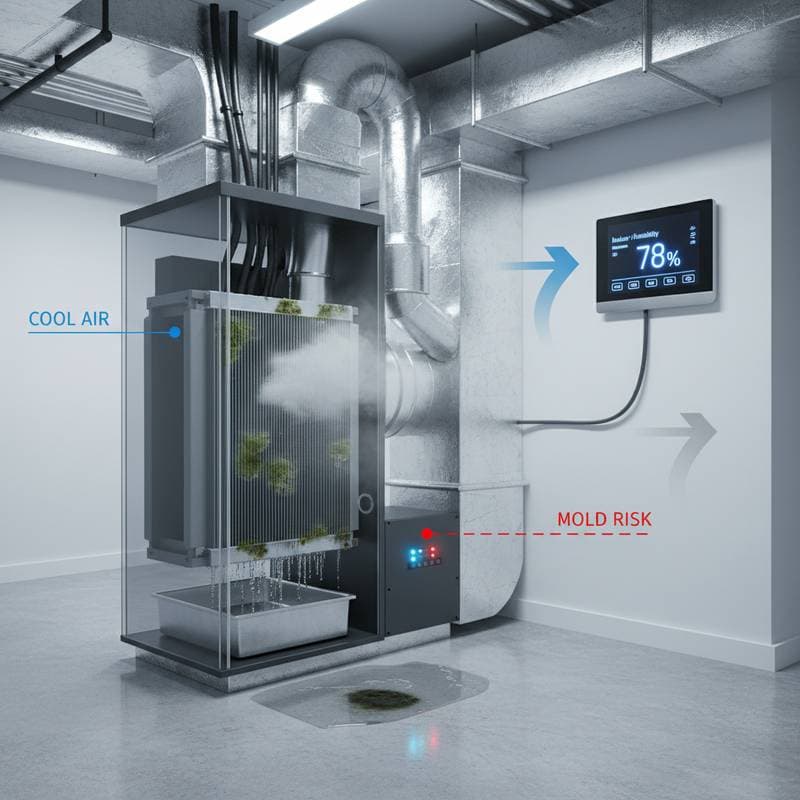
Mold requires moisture, warmth, and an organic substrate to flourish. Dust-laden ductwork, drywall, or carpet undersides provide ideal nourishment. When indoor humidity exceeds 60 percent, airborne spores activate and reproduce rapidly. Field experience reveals that the majority of mold issues arise from HVAC systems that lower temperature without sufficiently extracting moisture.
Air-conditioned spaces can retain dampness if the system cycles on and off too frequently or if airflow remains inadequate. Oversized units exemplify this problem: they achieve rapid cooling yet operate too briefly to dehumidify effectively. The outcome is air that registers as cooler but retains a damp quality, precisely the condition mold exploits.
Mechanisms of Humidity Regulation in HVAC Systems
Air conditioners inherently extract moisture during the cooling process. Warm air flows over the evaporator coil, prompting condensation that drains away. However, neglected maintenance or restricted airflow impairs this function. Accumulated dust on coils, obstructed filters, or impeded condensate drains all compromise dehumidification efficiency.
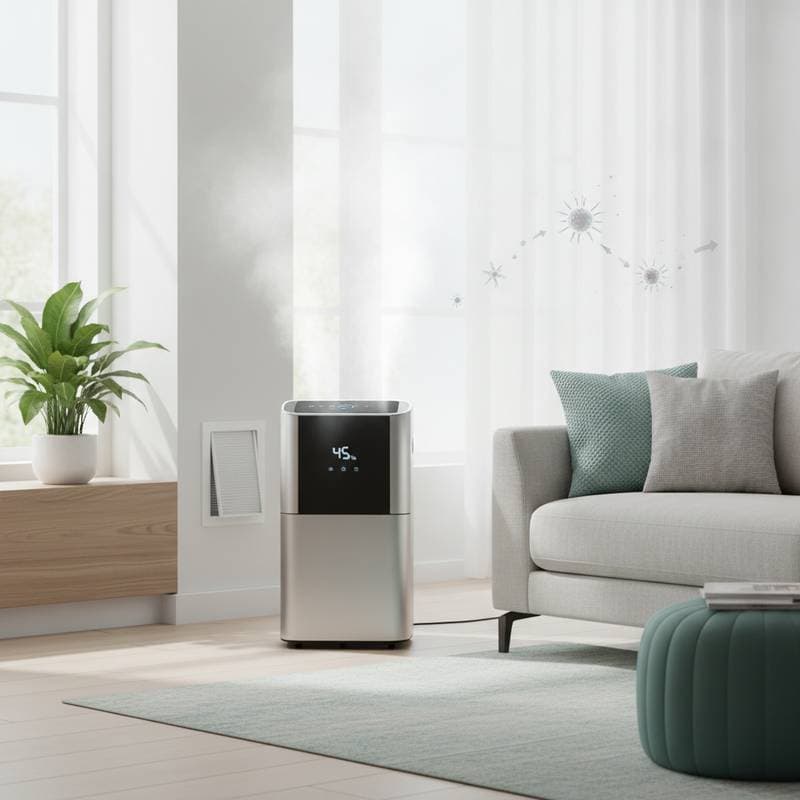
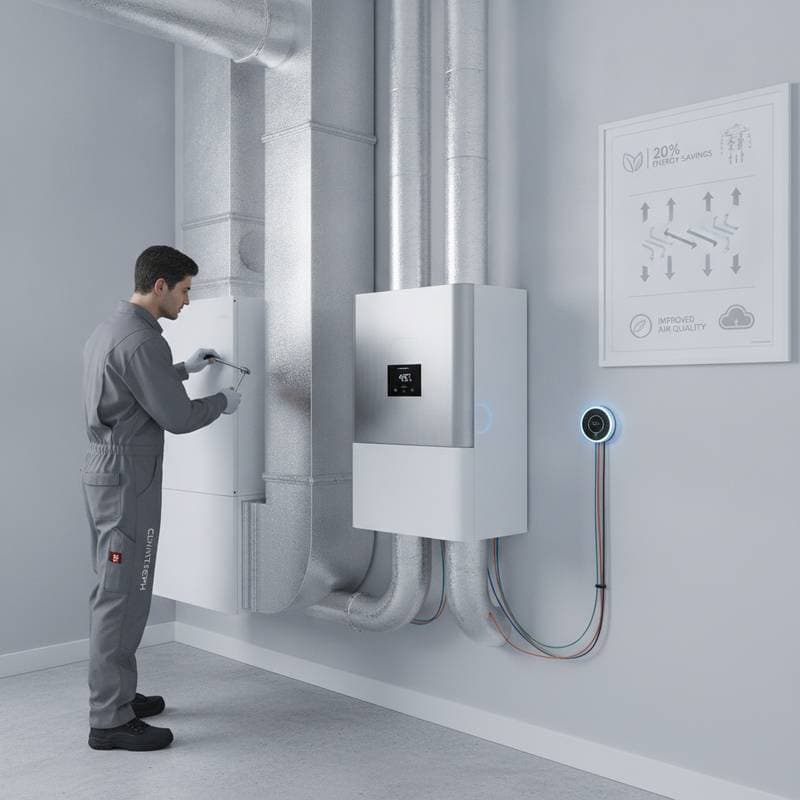
Experts advocate for incorporating specialized dehumidification into residential HVAC configurations. Whole-home dehumidifiers integrate with existing ducts to remove surplus moisture prior to air distribution. Contemporary thermostats monitor temperature and humidity simultaneously, enabling automatic adjustments for optimal comfort levels.
Actionable Strategies for Mold Prevention via Humidity Optimization
-
Maintain indoor humidity at 40 to 50 percent.
Employ a precise hygrometer for monitoring. Readings consistently above 55 percent indicate the need for system recalibration or supplementary dehumidification equipment. -
Conduct regular maintenance on coils and filters.
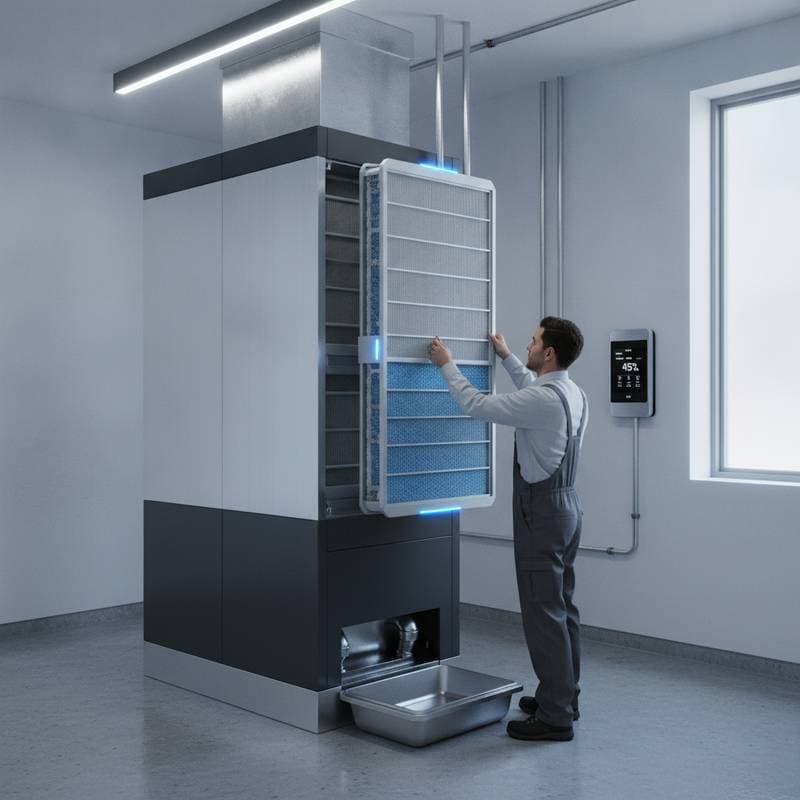
Contaminated parts diminish performance and retain moisture, potentially dispersing mold spores through the air. Replace or clean filters every one to three months, and arrange professional coil inspections during annual tune-ups. -
Seal ductwork and repair any leaks.
Leaks permit humid external air to infiltrate cooled spaces, elevating overall moisture. Effective sealing ensures stable humidity and enhances energy utilization. -
Enhance ventilation in moisture-prone zones.
Areas like kitchens, bathrooms, and laundry rooms generate significant humidity. Equip them with exhaust fans that direct damp air outside to avoid accumulation. -
Select variable-speed HVAC units.
These systems operate at reduced speeds for extended periods, allowing thorough moisture extraction without abrupt temperature fluctuations.
Indicators of Inadequate HVAC Humidity Control
Recognize these common signals:
- Recurring musty smells that persist despite cleaning efforts
- Moisture buildup on windows or near vents
- Air that feels sticky despite low thermostat settings
- Apparent mold near air registers or on surfaces
- Indoor allergy symptoms affecting household members
The presence of these signs warrants a professional evaluation. Technicians can measure humidity, examine ducts for pollutants, and pinpoint underlying issues to halt mold progression.
Key Factors for Homeowners Implementing Humidity Solutions
Costs for humidity control upgrades vary: portable dehumidifiers start at a few hundred dollars, while integrated whole-home systems may reach several thousand. These investments yield substantial returns. Regulated humidity preserves structural integrity, upholds air purity, and lowers energy expenses through improved system efficiency.
Prioritize safety in all modifications. Avoid handling refrigerant lines or accessing enclosed components without expertise. Engage certified HVAC professionals familiar with local regulations to guarantee proper installation, ventilation, and drainage.
Proactive maintenance of humidity systems leads to long-term savings for vigilant homeowners. It averts costly structural fixes, health complications, and ongoing mold treatments. As one satisfied client noted, "The day my humidity stabilized was the day my allergies disappeared."
Steps Toward a Healthier, Mold-Resistant Home
An effectively managed HVAC system anchors overall home comfort. Through diligent maintenance, precise monitoring, and professional adjustments, transform your residence into a secure, dry haven.
For those observing potential issues or seeking assurance, consult a qualified HVAC specialist via our platform for a complimentary assessment. Early intervention proves more economical than remediation, with humidity mastery as the primary safeguard.
Frequently Asked Questions
Q: How often should indoor humidity levels be monitored?
A: Check humidity weekly, particularly in humid seasons. A digital hygrometer assists in sustaining levels between 40 and 50 percent.
Q: Can a standard air conditioner handle dehumidification alone?
A: Standard units dehumidify during operation, but oversized or poorly maintained systems often fall short. Supplement with dedicated dehumidifiers for reliable control.
Q: What is the ideal response to detected mold in HVAC ducts?
A: Cease system use immediately and contact a professional for inspection and remediation. Address humidity sources to prevent recurrence.