Understanding Variable Speed HVAC for Winter Savings
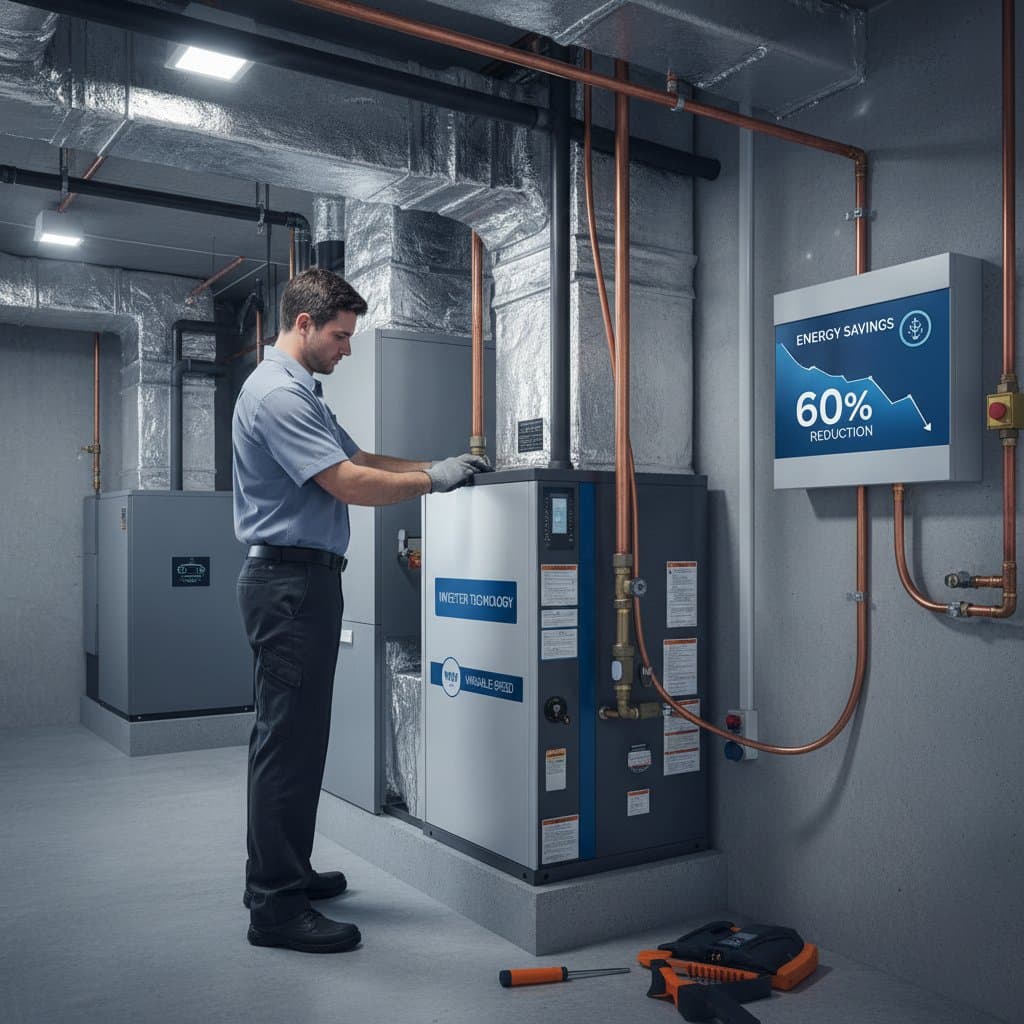
Homeowners often face rising winter energy bills despite setting thermostats to comfortable levels. Traditional systems run at full power, leading to uneven temperatures, excessive noise, and higher costs. Variable speed HVAC technology addresses these issues by adjusting performance dynamically, potentially reducing heating expenses by up to 60 percent.
This approach ensures steady warmth without the inefficiencies of constant cycling. Professional installers note that such systems provide reliable performance in varying climates, making them ideal for modern homes seeking both comfort and economy.
Limitations of Traditional Heating Systems
Conventional furnaces and heat pumps rely on single-speed components that operate at maximum capacity until the desired temperature is achieved, then cycle off. This process consumes excess energy, accelerates component wear, and results in noticeable temperature fluctuations throughout the home.
In regions with harsh winters, these inefficiencies compound, driving up utility expenses significantly. Variable speed systems, by contrast, modulate compressor and blower speeds to deliver heat precisely as needed, mimicking the efficiency of a well-tuned engine that maintains optimal output without strain.
Mechanisms Behind Cost Savings in Variable Speed Systems
Field experience shows that upgrading to variable speed technology yields substantial financial benefits. The following elements contribute to these reductions:
-
Demand-Responsive Operation
Sensors detect minor changes in indoor temperature and adjust heating output accordingly, preventing energy overuse from excessive production. -
Extended Low-Speed Cycles
Units operate for longer periods at reduced power levels, which lowers overall consumption while distributing heat evenly across living spaces. -
Minimized Mechanical Stress
Reduced cycling frequency protects key parts like motors and compressors, decreasing the likelihood of breakdowns and associated repair expenses. -
Enhanced Air Distribution
Continuous low-volume airflow eliminates drafts and hot spots, while integrated filtration improves indoor air quality for healthier living environments. -
Superior Efficiency Metrics
These systems achieve higher SEER and AFUE ratings, translating to greater heating effectiveness per unit of energy input and long-term value.
Strategies to Optimize Variable Speed Performance
To realize the full potential of variable speed HVAC, implement these professional recommendations:
-
Inspect and seal ducts, windows, and insulation to minimize heat escape; this foundational step amplifies system efficiency regardless of technology.
-
Integrate a programmable or smart thermostat to automate temperature adjustments based on occupancy and daily routines, potentially exceeding 60 percent savings.
-
Arrange biannual servicing by certified technicians to clean filters, calibrate controls, and verify sensor accuracy, ensuring sustained peak operation.
-
Research local utility rebates and tax credits for energy-efficient upgrades, which can substantially lower initial investment.
Key Factors in Upgrading to Variable Speed HVAC
Before proceeding with an upgrade, assess your existing setup. Systems older than a decade often warrant full replacement over piecemeal fixes, given declining efficiency over time. Installation expenses typically fall between $4,500 and $8,000, influenced by unit capacity, manufacturer quality, and local labor costs.
The payback period through energy savings usually spans three to five years, depending on usage patterns and regional energy rates. Select contractors experienced in variable speed installations to guarantee proper sizing, which is crucial for achieving rated efficiency, humidity management, and minimal operational noise.
Achieving Efficient Home Heating
Variable speed HVAC represents a forward-thinking solution for winter comfort. It provides seamless temperature control, reduced energy demands, and durable performance that aligns with sustainable living. Consult a qualified specialist via AmericanAirHVAC.net to evaluate your needs and implement an upgrade that delivers reliable heat and significant cost reductions.
Frequently Asked Questions
What is the difference between variable speed and single-speed HVAC?
Variable speed systems adjust their output to match heating demands precisely, while single-speed units run at full power or not at all, leading to higher energy use and less consistent comfort.
How much can I expect to save on my heating bills?
Savings vary by home size, climate, and usage, but many users report reductions of 40 to 60 percent compared to traditional systems, with payback on investment occurring within a few years.
Is variable speed HVAC suitable for all homes?
Yes, provided the installation accounts for your home's layout and insulation; a professional assessment ensures compatibility and optimal performance.
What maintenance does a variable speed system require?
Regular filter changes, annual professional inspections, and duct cleaning help maintain efficiency; neglect can reduce savings and lifespan.