Understanding HVAC Maintenance Plans
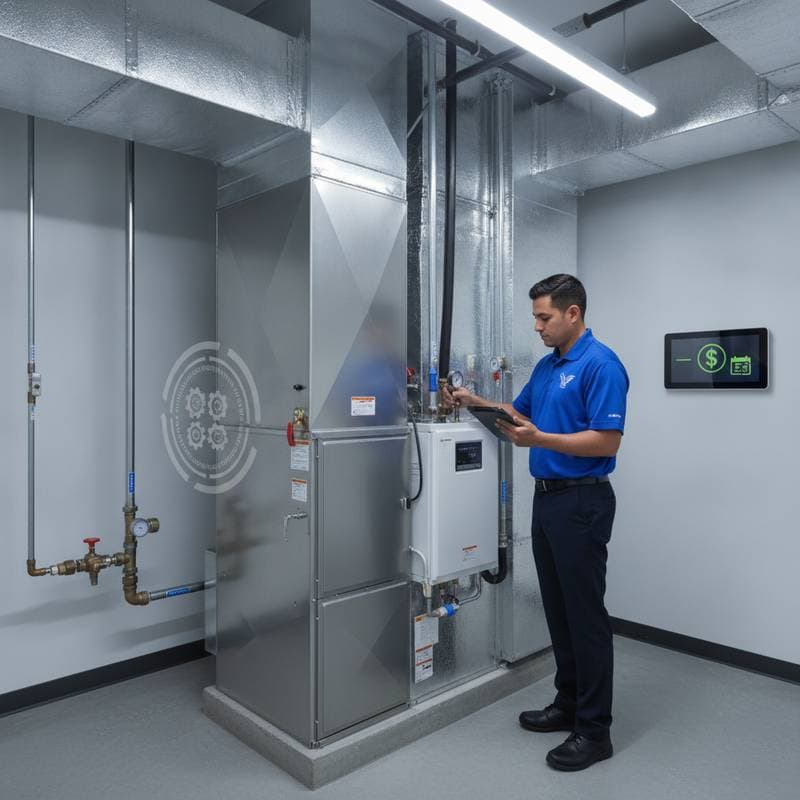
HVAC systems form the backbone of home comfort, regulating temperature and air quality year-round. Regular maintenance prevents breakdowns, extends equipment life, and maintains energy efficiency. Maintenance plans structure this care into predictable schedules, either monthly or yearly, to suit different homeowner preferences and budgets.
These plans typically cover inspections, filter replacements, and minor repairs. Providers like those at americanairhvac.net customize services based on system type, home size, and local climate. By committing to a plan, homeowners avoid unexpected repair costs that can exceed $1,000 for major issues.
Choosing the right plan starts with assessing your HVAC unit's age and usage patterns. Older systems benefit from frequent checks, while newer ones may suffice with annual tune-ups. This foundational step ensures the plan aligns with your specific needs.
Key Differences Between Monthly and Yearly Plans
Monthly HVAC plans spread costs over twelve equal payments, often ranging from $10 to $30 per month depending on the service level. This approach suits budgets that prefer small, recurring expenses without large upfront fees. Services include routine visits every one to three months, focusing on seasonal adjustments like preparing for summer cooling or winter heating.
Yearly plans, in contrast, require a single annual payment of $120 to $360, covering one or two comprehensive tune-ups. These contracts frequently offer bundled perks such as priority scheduling during peak seasons and discounts on parts. The structure appeals to those seeking maximum value through lower overall rates.
Both formats address core maintenance tasks, but frequency varies. Monthly plans provide ongoing monitoring to catch issues early, reducing the risk of system failure. Yearly options emphasize thorough annual overhauls, ideal for well-maintained units in moderate climates.
Cost Breakdown and Savings Potential
To illustrate, consider a standard residential HVAC system. A monthly plan at $20 per payment totals $240 annually, including four visits and basic repairs. A comparable yearly plan might cost $180 upfront, saving $60 through volume discounts.
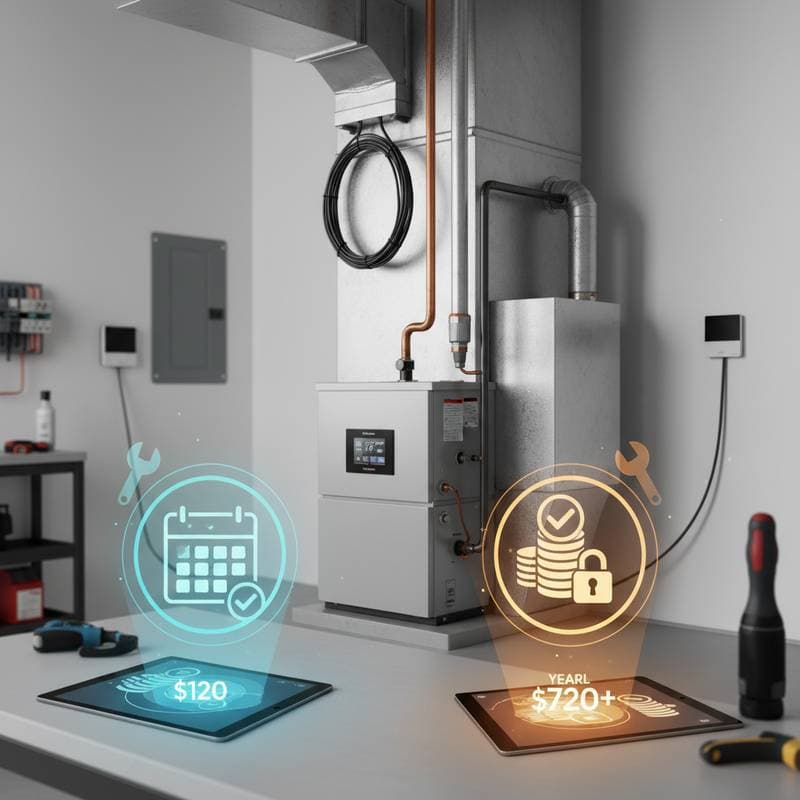
Savings escalate with premium features. Priority service in yearly plans can prevent $200 emergency callouts, while monthly plans' regular cleanings improve efficiency by 10 to 15 percent, lowering utility bills by $60 to $120 yearly. Combined, these elements yield total savings of $120 to $720, factoring in avoided repairs and energy gains.
Local factors influence pricing. In regions with extreme weather, plans adjust upward by 20 percent to account for heavier wear. Homeowners in milder areas often secure base rates, maximizing return on investment.
Benefits of Regular HVAC Maintenance
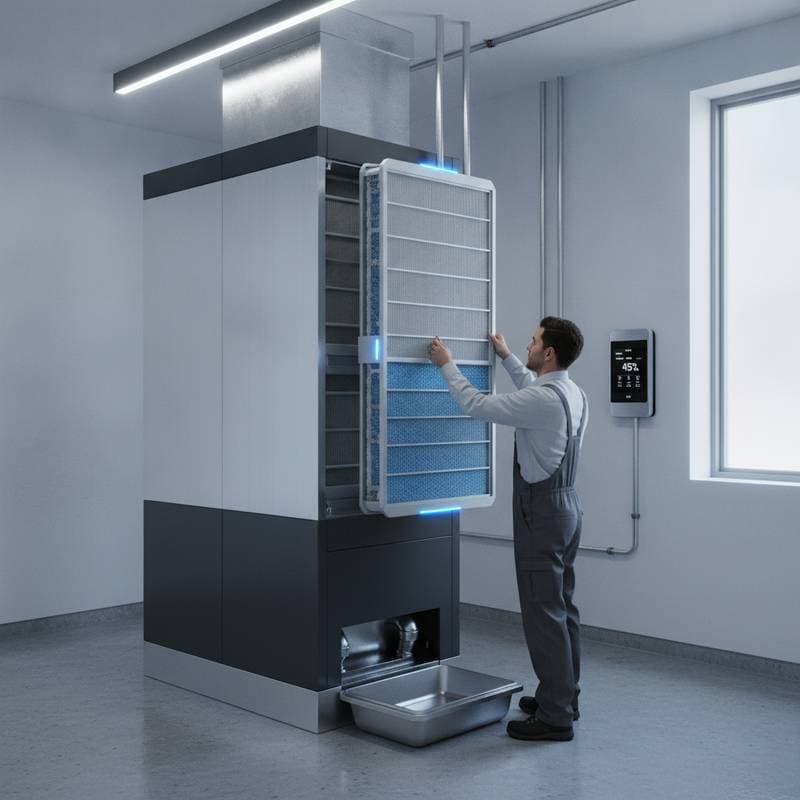
Consistent upkeep enhances system reliability, minimizing downtime during critical periods. Clean coils and calibrated thermostats ensure even temperatures, improving indoor air quality by reducing allergens and pollutants. Over time, this leads to healthier living environments and fewer allergy-related health issues.
Energy efficiency stands out as a major advantage. Well-maintained units consume less power, translating to noticeable reductions in heating and cooling bills. For an average home, this efficiency boost can save hundreds annually, aligning with broader goals of sustainability and cost control.
Long-term, these plans protect property value. A functional HVAC system appeals to future buyers, potentially increasing resale offers by thousands. Professional documentation of maintenance history further bolsters this appeal in competitive markets.
Factors Influencing Plan Selection
Evaluate your household's usage first. Families with high occupancy or pets generate more dust and strain, favoring monthly interventions. Single occupants or low-use homes may thrive with yearly checks alone.
Budget plays a pivotal role. Monthly plans ease cash flow for those avoiding lump sums, while yearly options reward upfront commitment with rebates. Calculate total costs over three years to reveal true value, including any promotional offers from providers.
System specifics matter too. Ductless mini-splits require different care than central units, influencing plan suitability. Consult with technicians to match the plan to your setup, ensuring comprehensive coverage without overlap.
Comparing Plans Side by Side
- Payment Structure: Monthly plans feature $10 to $30 installments; yearly plans demand $120 to $360 once a year.
- Service Frequency: Monthly offers 4 to 12 visits; yearly provides 1 to 2 detailed inspections.
- Additional Perks: Both include diagnostics, but yearly often adds 10 to 20 percent discounts on repairs; monthly emphasizes proactive cleaning.
- Flexibility: Monthly allows easy cancellation; yearly locks in savings but may include early termination fees.
- Best For: Monthly suits variable incomes and high-maintenance needs; yearly fits stable budgets and preventive care.
This comparison highlights how each plan addresses distinct priorities, guiding informed decisions.
Steps to Choose and Implement Your Plan
Start by researching reputable providers in your area. Review service scopes, customer feedback, and warranty inclusions to narrow options. Request quotes for both monthly and yearly formats to compare apples-to-apples.
Next, assess your current system health through a free diagnostic if available. This reveals immediate needs, such as refrigerant levels or duct sealing, that influence plan necessity. Align findings with provider recommendations for a tailored fit.
Finalize by signing the contract and scheduling initial service. Track maintenance logs to monitor benefits, adjusting as needed after the first year. This proactive approach secures ongoing efficiency and peace of mind.
- Gather quotes from at least three providers.
- Perform a system audit to identify priorities.
- Calculate projected savings using online tools or spreadsheets.
- Select the plan that balances cost, coverage, and convenience.
- Schedule services promptly to activate benefits.
Maximizing Long-Term Value from Your HVAC Plan
Integrate plan services with smart home habits, such as changing filters quarterly outside scheduled visits. This synergy amplifies efficiency gains and extends equipment lifespan beyond standard expectations. Monitor energy statements monthly to quantify improvements and adjust behaviors accordingly.
Consider upgrading to energy-efficient components during maintenance windows. Providers often facilitate rebates for high-SEER units, compounding savings over time. These investments pay dividends in reduced operational costs and environmental impact.
Ultimately, the right HVAC plan transforms routine upkeep into a strategic asset. Homeowners who commit to structured maintenance enjoy reliable comfort, lower bills, and preserved system integrity. By selecting wisely in 2026, you position your home for years of optimal performance and financial benefits.