Effective Humidity Control for Allergy Relief
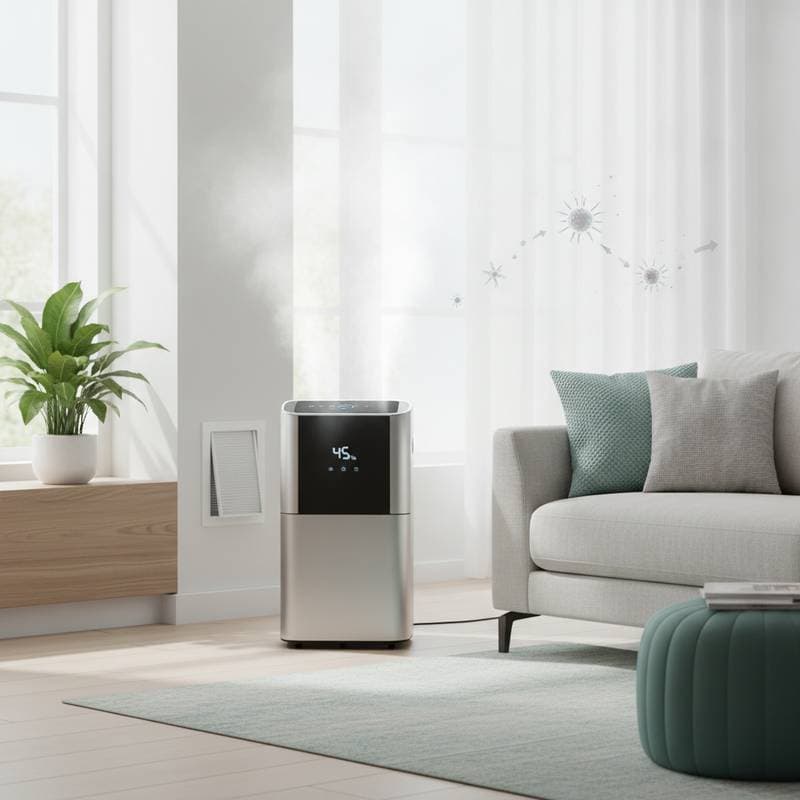
Homeowners frequently encounter indoor air that triggers sneezing, itchy eyes, or persistent coughing. These issues often stem from humidity levels that stray outside the optimal range. Maintaining indoor moisture between 40 and 50 percent reduces allergen growth while supporting overall comfort.
The Connection Between Humidity and Allergens
Dust mites, mold spores, and bacteria multiply rapidly when moisture exceeds 50 percent. Dry air below 40 percent irritates nasal passages and skin, increasing sensitivity to airborne particles. Balanced humidity prevents these conditions from developing in the first place.
Excess moisture typically enters through crawl spaces, basements, or leaky ducts in humid climates. Overly aggressive cooling removes too much moisture in arid regions. Both scenarios create environments where allergens flourish and comfort declines.
Consequences of Unbalanced Moisture Levels
High humidity promotes mold inside ducts, musty odors, warped wood, and larger dust mite populations. It also forces cooling equipment to operate longer, which raises energy use. Low humidity produces dry skin, irritated sinuses, static electricity, and faster transmission of viruses.
Homes that maintain steady humidity levels often experience up to 15 percent lower cooling costs. Equipment lasts longer because it avoids constant strain from moisture fluctuations.
Why Standard Air Conditioners Fall Short
Air conditioners remove some moisture during cooling cycles, yet they respond only to temperature settings. They cycle on and off without regard for actual moisture content. Integrated humidity control systems address this gap by monitoring and adjusting both temperature and humidity simultaneously.
Whole-Home Humidity Systems
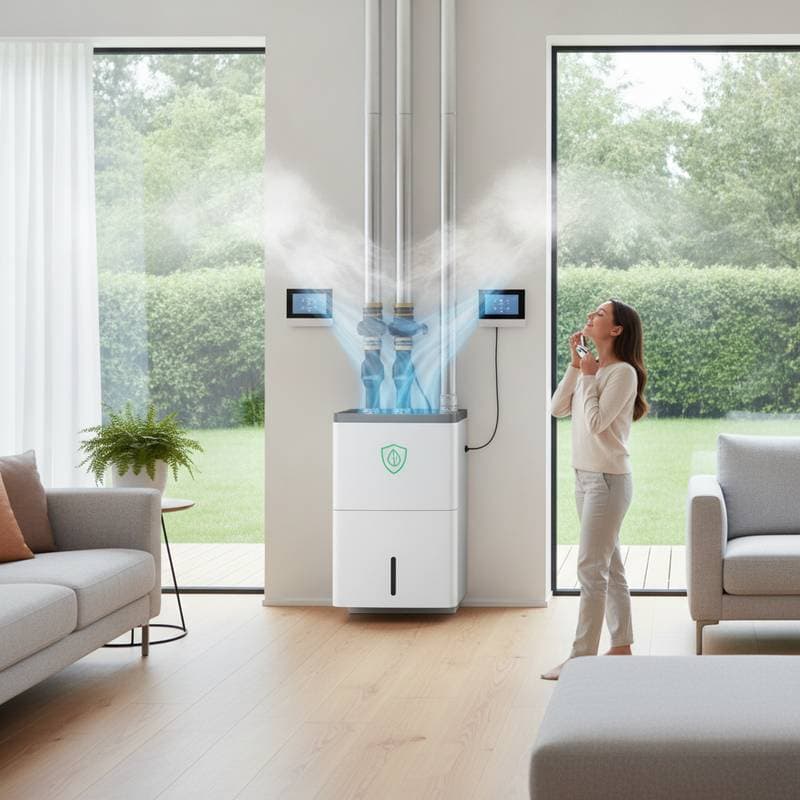
Whole-home units connect directly to existing ductwork and treat air throughout the residence. A dehumidifier draws warm, moist air from return ducts, condenses the moisture, and returns drier air through supply ducts. A humidifier adds precise amounts of moisture during heating seasons to prevent dryness and static.
Both devices integrate with smart thermostats for automatic adjustments based on real-time readings.
Practical Steps to Improve Performance
Seal and insulate ducts to stop moist air infiltration from attics or crawl spaces. Install a variable-speed air handler that runs at lower speeds for extended periods, which enhances moisture removal. Add a smart thermostat equipped with humidity sensors to trigger automatic corrections.
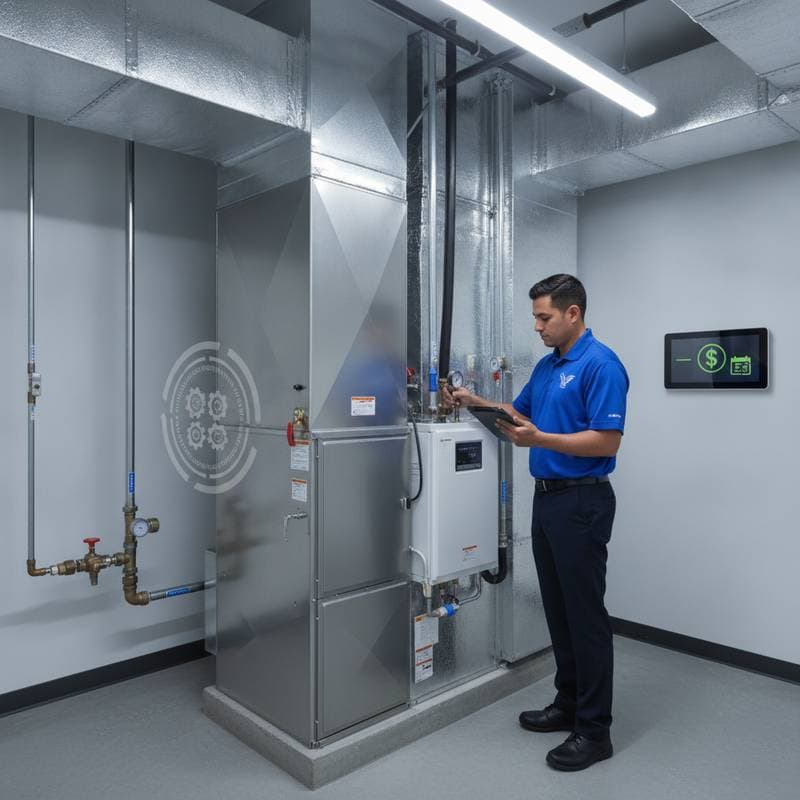
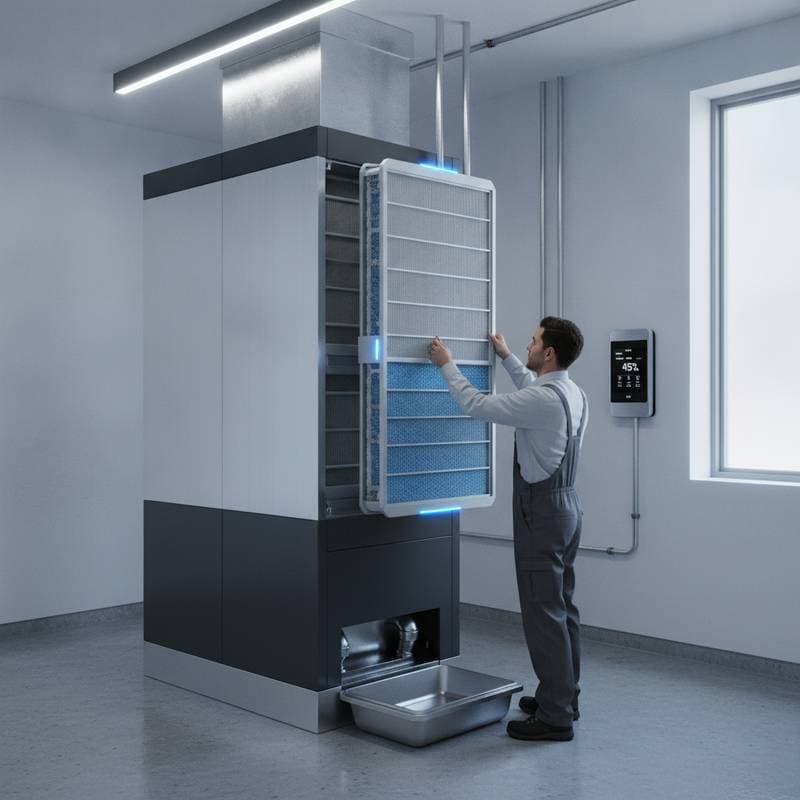
Replace filters every one to three months. Schedule annual professional service to clean coils, verify drainage, and calibrate controls.
Indicators of Humidity Problems
Persistent musty odors, visible mold near vents, warped trim, and recurring sinus irritation signal an imbalance. These symptoms warrant immediate system evaluation because unchecked moisture allows allergens to circulate through the entire home.
Key Factors Before Installation
Whole-home dehumidifiers typically range from 1500 to 3000 dollars installed. Humidifiers cost between 600 and 1500 dollars. ENERGY STAR models can cut energy consumption by as much as 20 percent. Professional installation usually finishes in one day and preserves manufacturer warranties.
Pairing Humidity Control with Filtration
HEPA filters capture 99.97 percent of particles at 0.3 microns. UV lights neutralize mold and bacteria on coils. Media air cleaners provide extended filtration with fewer changes. These layers work together once moisture levels remain stable.
Regional and Structural Considerations
Coastal homes face higher moisture loads from salty air. Mountain and desert properties require added humidification during extended dry periods. A qualified technician measures moisture loads, reviews insulation, and selects equipment sized correctly for the home and climate.
Lasting Advantages
Proper humidity management lowers monthly energy bills, extends equipment life, eliminates lingering odors, and protects wood surfaces. Daily monitoring with a digital hygrometer allows quick corrections before issues escalate.
Sustaining System Reliability
Clean or replace filters on schedule. Inspect drain lines for clogs. Adjust settings seasonally. Arrange yearly professional inspections. These habits maintain consistent performance and reliable allergen reduction.
Moving Forward with Improved Air Quality
Evaluate current indoor conditions by noting any sticky or arid sensations alongside allergy symptoms. Consult a licensed HVAC contractor to assess the home and recommend appropriate equipment. Balanced humidity transforms indoor environments into spaces that support easier breathing and steady comfort year round.