Why Modern Homes Require Whole-House Humidity Control
Homeowners often face challenges with sticky summers, dry winters, and fluctuating indoor humidity that disrupts comfort. Signs such as fogged windows, creaking floors, and dry skin indicate an imbalance in humidity levels. These issues extend beyond minor inconveniences; they signal potential problems with moisture control in tightly sealed modern homes.
Newer constructions prioritize energy efficiency through advanced insulation and air sealing. This design reduces energy loss but also confines moisture and stale air indoors, fostering mold growth, allergens, and reduced system efficiency. Whole-house humidity control addresses these concerns by restoring balance.
The Problem: Modern Homes Trap Moisture and Dry Air
Field experience reveals a common trend in energy-efficient homes. Enhanced insulation maintains stable temperatures yet retains excess humidity. High moisture levels can warp wooden floors, cause paint to peel, and produce musty odors following rainfall.
Conversely, overly dry air leads to static electricity, nosebleeds, and cracked woodwork. Experts recommend maintaining indoor relative humidity between 35 and 50 percent for optimal conditions. However, many homes deviate significantly from this range, particularly during seasonal changes.
In humid climates, air conditioning units remove some moisture but often insufficiently. In arid areas, heating systems deplete moisture, creating desert-like interiors.
The Opportunity: Consistent Comfort and Efficiency
Whole-house humidifiers or dehumidifiers integrate with HVAC systems to regulate humidity automatically. These devices monitor levels and adjust moisture accordingly, delivering natural comfort, energy savings, and a healthier living environment.
Humidity control protects valuable assets, including wooden furniture, musical instruments, artwork, and structural components like framing and subfloors. It also reduces the workload on furnaces and air conditioners, thereby extending equipment life.
How Whole-House Systems Work
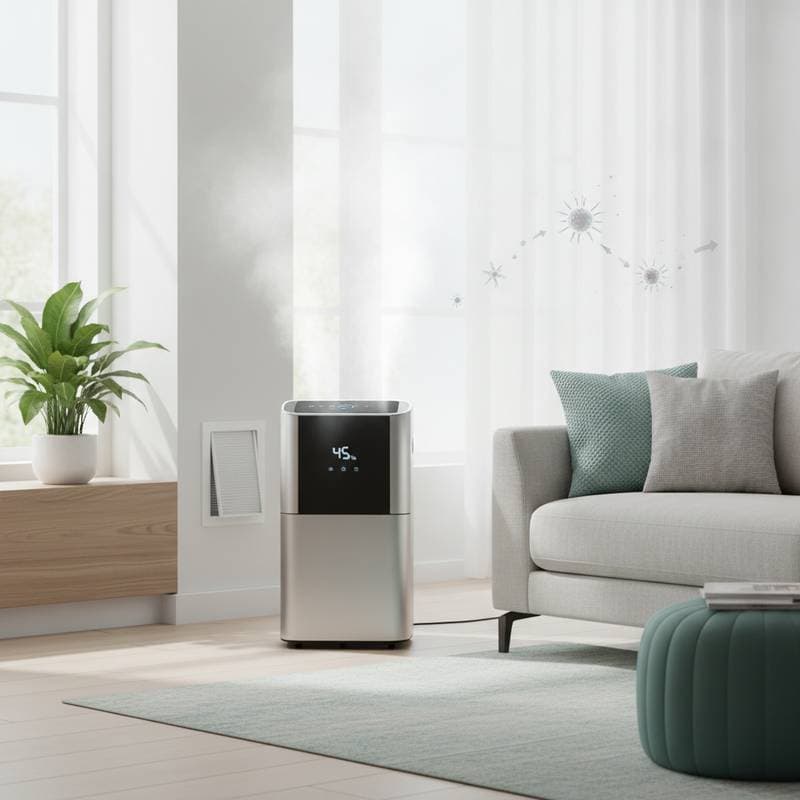
Whole-house humidifiers link to HVAC ductwork and source water from household plumbing. They introduce a fine mist or vapor into the airstream, distributing moisture evenly throughout the home. This approach surpasses portable units, which affect only localized areas.
Whole-house dehumidifiers function oppositely by drawing in humid air, cooling it to condense moisture, and recirculating drier air. Advanced models connect to smart thermostats or automation systems, allowing remote adjustments via smartphone or control panel.
Expert Steps to Achieve Ideal Humidity Levels
-
Assess Your Home’s Current Humidity
Employ a digital hygrometer to gauge relative humidity levels. This inexpensive device provides accurate readings to identify whether conditions are too dry or excessively damp. -
Inspect for Moisture Sources
Examine potential issues like leaky ducts, unvented bathrooms, or damp basements. Addressing these underlying factors ensures effective humidity management regardless of HVAC capabilities. -
Choose the Right System Type
- Bypass humidifiers offer cost-effective solutions and utilize furnace airflow for distribution.
- Fan-powered models provide robust moisture addition, ideal for spacious residences.
- Steam humidifiers deliver precise regulation, suitable for premium setups and delicate materials.
- Whole-house dehumidifiers excel in humid environments, such as coastal areas prone to condensation.
-
Schedule Professional Installation
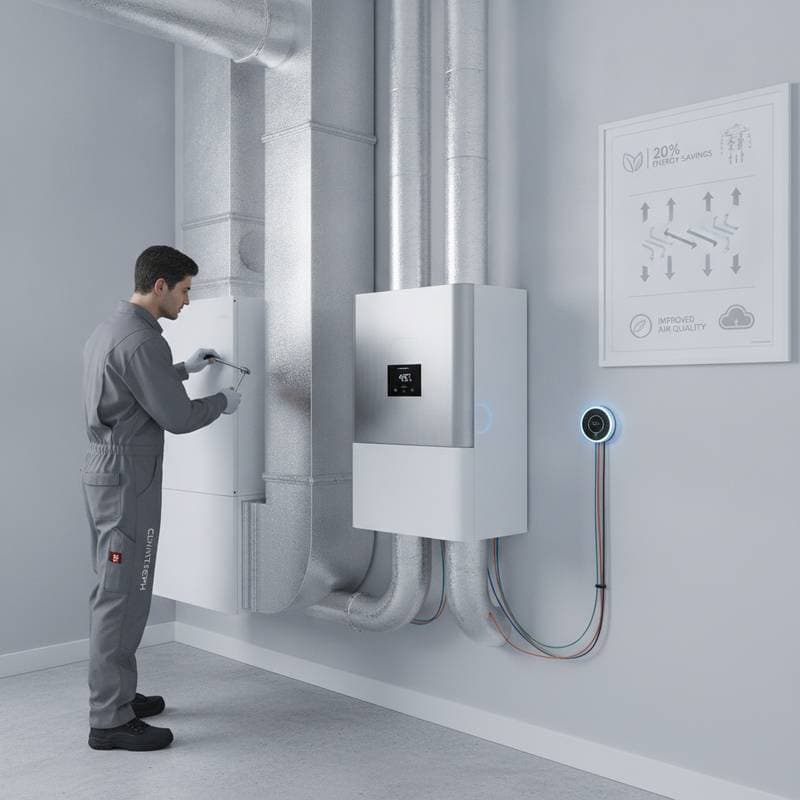
Engage a certified HVAC technician to select and calibrate the system appropriately. Improper sizing risks over-humidification or inadequate performance. -
Maintain and Monitor Regularly
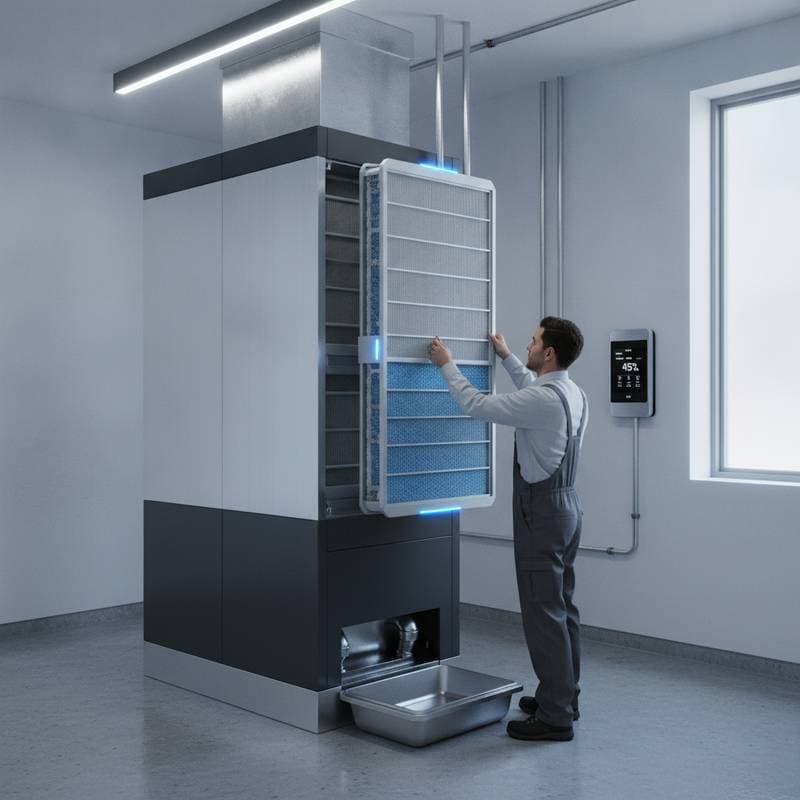
Replace water panels, clean filters, and inspect drain lines periodically. Scheduled maintenance prevents mineral accumulation and sustains reliable operation.
Practical Considerations Before You Invest
Installed whole-house humidity systems typically cost between $500 and $2,500, varying by capacity and features. Higher-end options like steam humidifiers and combined dehumidifiers yield superior consistency. Annual upkeep costs range from $100 to $200, providing substantial value through sustained comfort and asset protection.
Balanced humidity enables thermostat adjustments of several degrees in winter or summer without sacrificing comfort, potentially reducing energy expenses by up to 10 percent.
Safety requires professional handling of refrigerant lines and electrical components. Integration with core HVAC elements demands expertise to avoid leaks or hazards. Licensed technicians ensure compliance with local codes, which may mandate permits for plumbing connections.
Expert Insights on Long-Term Benefits
Effective humidity management enhances indoor air quality by minimizing dust and allergens while supporting respiratory health and limiting pathogen transmission. As technician Mark Jensen observes, “When we stabilize humidity, we stabilize health.”
It safeguards structural integrity and aesthetics, preventing issues like buckling floors or cracking furniture from extreme dryness.
Implement Humidity Control for Lasting Comfort
Persistent discomfort from seasonal shifts, temperature inconsistencies, or static electricity suggests a need for humidity intervention. Initiate the process with a professional humidity audit to evaluate room-specific levels and identify suitable solutions.
Post-installation, improvements become evident swiftly: softer air, easier breathing, and stable surfaces. HVAC operations smooth out, transforming the home into a resilient haven against external weather fluctuations.
Consult a qualified HVAC specialist for a complimentary assessment and tailored recommendations.
Frequently Asked Questions
Q: How often should a whole-house humidifier be serviced?
A: Annual maintenance suffices for most units. Replace the water panel and clean components prior to the heating season to optimize efficiency.
Q: Can a dehumidifier and humidifier operate together?
A: Advanced systems integrate both functions, automatically adjusting based on current humidity data to achieve balance.
Q: Will humidity control reduce allergy symptoms?
A: Yes, it curbs dust mites, mold, and irritants. Numerous residents report diminished allergic reactions following implementation.