HVAC Battery Backup Keeps Your Home Livable in Outages
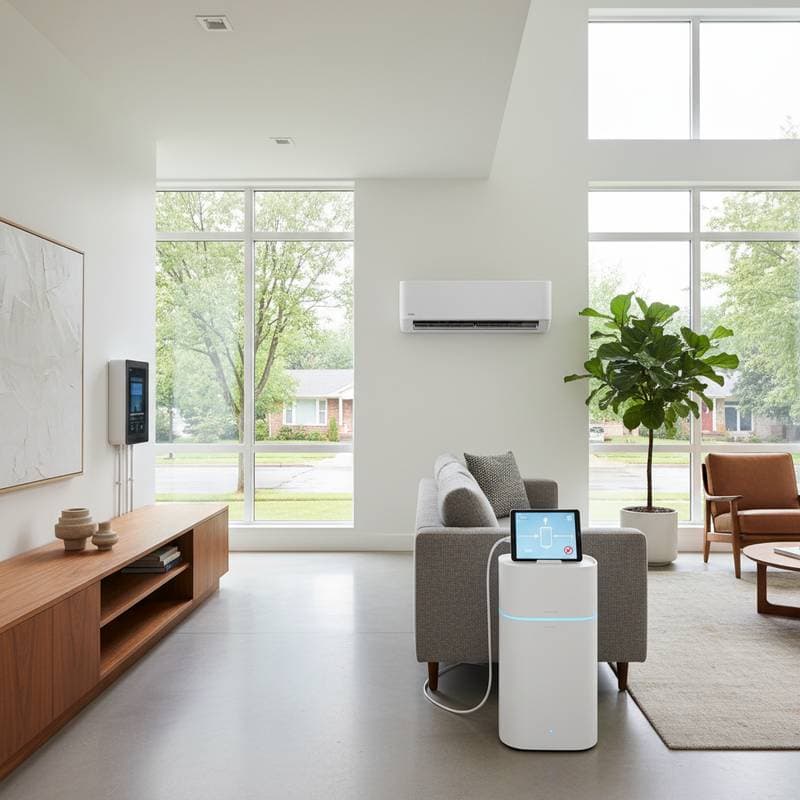
Power outages can disrupt heating and cooling systems at the worst possible times. An HVAC battery backup provides a reliable solution that maintains indoor comfort when the grid fails. This approach protects equipment while supporting consistent temperatures throughout the home.
Homeowners gain greater control over energy use and reduce dependence on utility service. The technology pairs well with modern HVAC units and offers flexible configurations for different household priorities.
Planning Your HVAC Battery Backup
Determine runtime goals before selecting equipment. Some households need only a blower fan for air circulation. Others require full heating or cooling capacity during extended outages.
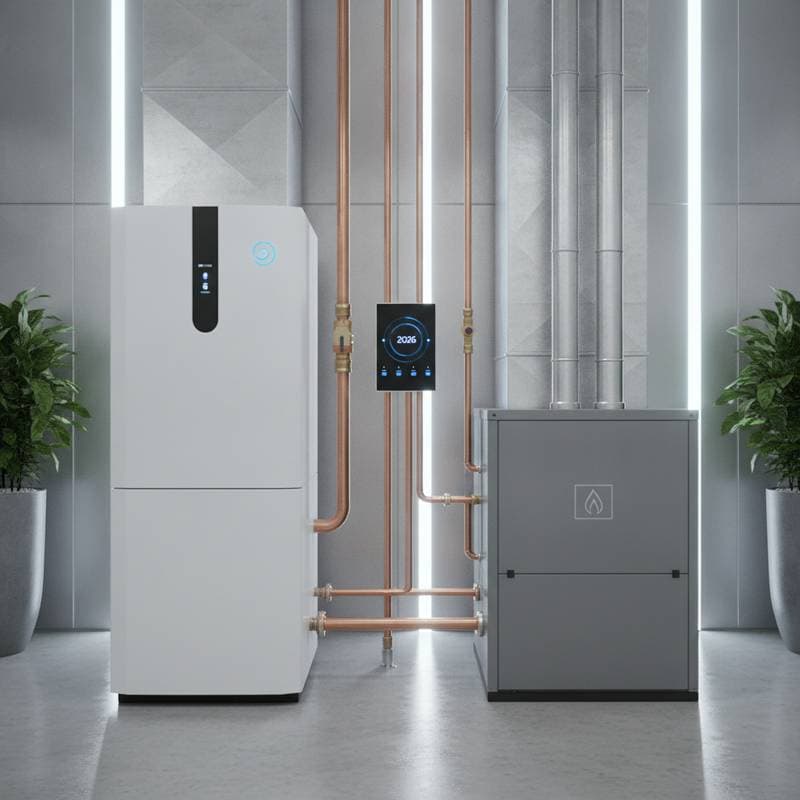
Choose quality components that deliver long service life. Lithium ion batteries offer high cycle counts and minimal maintenance compared with lead acid alternatives. Integrate smart controls that allow remote monitoring of battery status and performance through mobile applications.
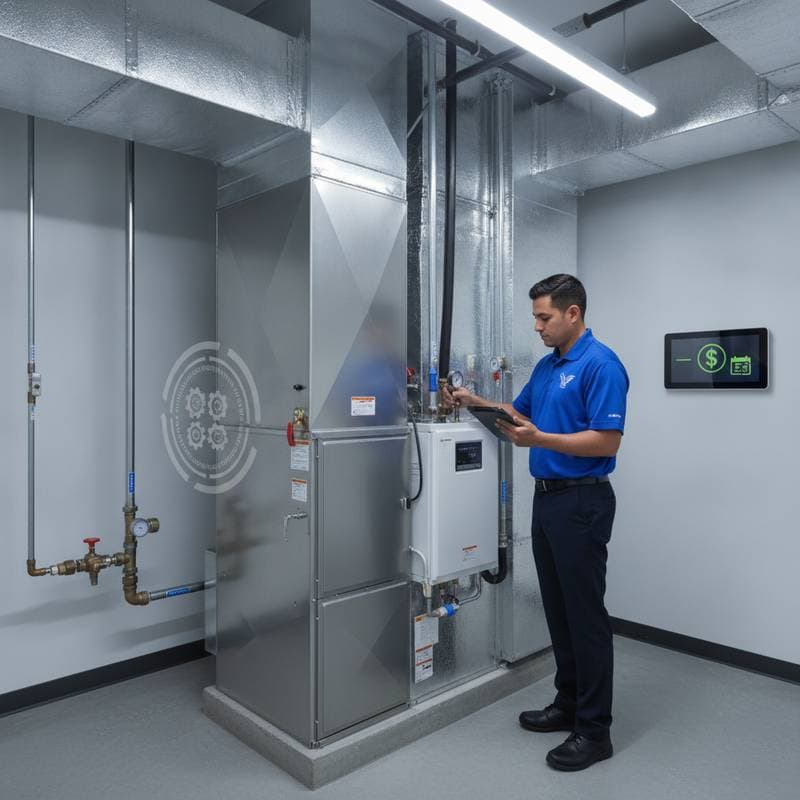
Consult a licensed HVAC professional for every installation. Proper sizing and code compliant wiring prevent safety issues and equipment damage.
Detailed Steps for Implementation
- Conduct an energy audit to measure HVAC load and typical household consumption patterns.
- Design the system around audit results to select appropriate battery capacity and inverter specifications.
- Connect the battery to the HVAC unit and main electrical panel through a transfer switch during installation.
- Test the complete setup under simulated outage conditions to verify seamless operation.
- Establish an annual maintenance schedule that includes inspections and firmware updates.
Cost and Return on Investment
A complete HVAC battery backup system typically requires an investment between 3000 and 10000 dollars. Adding solar panels increases upfront cost but improves long term energy independence. Many owners recover a portion of the expense through reduced utility bills and avoided equipment repairs.
Annual savings often reach 10 to 20 percent when the battery offsets peak rate periods. Certain regions provide rebates for energy storage that further improve financial returns. The most effective setups align battery capacity with specific comfort requirements and local climate conditions.
Safety and Compliance Considerations
Work exclusively with certified HVAC and electrical professionals during installation. Incorrect wiring creates fire risks and can damage sensitive equipment. Position battery units in cool ventilated spaces away from moisture and direct sunlight.
Installers must follow local electrical codes and utility interconnection requirements. Systems that include solar generation require automatic disconnect mechanisms to protect line workers. Homeowners should never attempt self installation on high voltage equipment.
Long Term Maintenance and Reliability
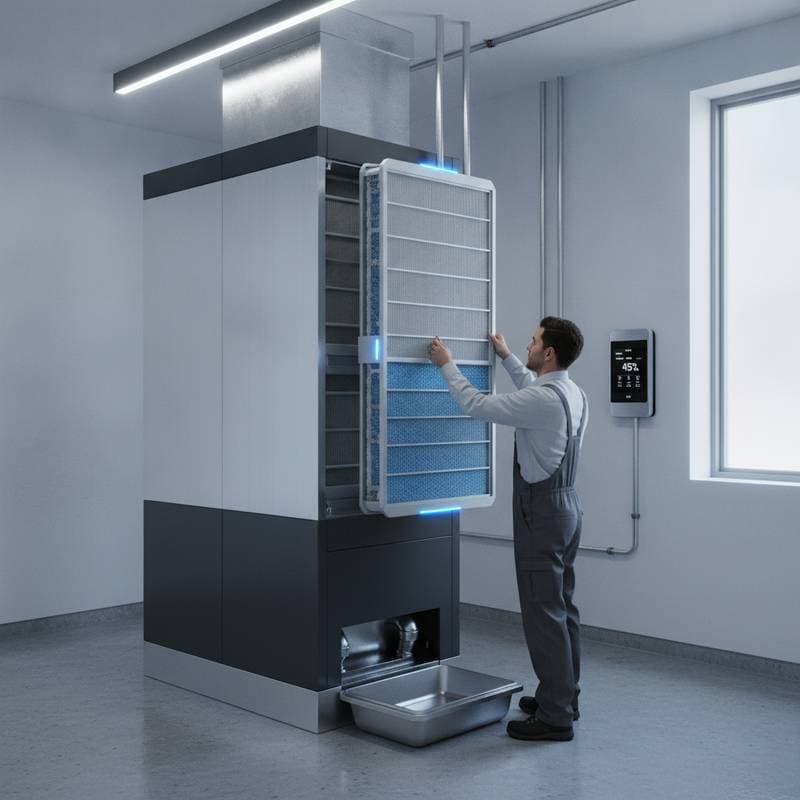
Modern battery systems maintain performance for 10 years or longer with routine care. Clean terminals regularly and monitor charge cycles through the system interface. Annual professional inspections confirm safety and allow timely firmware updates.
Homeowners who follow a consistent maintenance routine experience minimal downtime. A properly maintained battery supports the HVAC system and can power additional essentials such as refrigerators and lighting during outages.
Achieving Reliable Home Comfort
A well designed HVAC battery backup delivers consistent indoor conditions regardless of grid status. Residents can maintain comfort through storms, heat waves, and service interruptions. The result is greater peace of mind and protection for both household members and mechanical equipment.
Begin the process with a consultation from a qualified HVAC specialist. A tailored assessment identifies the configuration that best matches home layout and regional demands.